A Plain Guide to Your Life Insurance Options in Pico Rivera, CA
Term life, whole life and final expense insurance each answer a different need. We explain what each one does in everyday words, so the choices make sense before you weigh them. Share a few answers, and a licensed agent who works with people in Pico Rivera, Downey or Whittier gets in touch with options you can review at home.
- Roughly two minutes of questions
- Nothing you're bound to buy
- Policy words defined
- Your pace, your timing

Free, no obligation
See your coverage options
Six short questions. About two minutes.
Three Kinds of Policy in Brief
Term life insurance runs for a fixed span of years, and many people line it up with the years a mortgage is being paid or children are still at home. Whole life insurance stays in force for your whole life and builds cash value as it goes. Final expense insurance is a small whole life policy, bought mostly with funeral costs in mind. Term Life Insurance, Whole Life Insurance and Final Expense Insurance each have a page of their own on what to check in that kind.

Term Life Insurance
Coverage for a set number of years, such as 10, 20 or 30, with the length, the amount and the end of the term explained step by step.

Whole Life Insurance
Whole life coverage is meant to last for life and builds cash value. Here is what that means and what to ask before choosing a policy.

Final Expense Insurance
A small whole life policy for funeral and final bills, with what to weigh before you pick an amount and name a beneficiary.
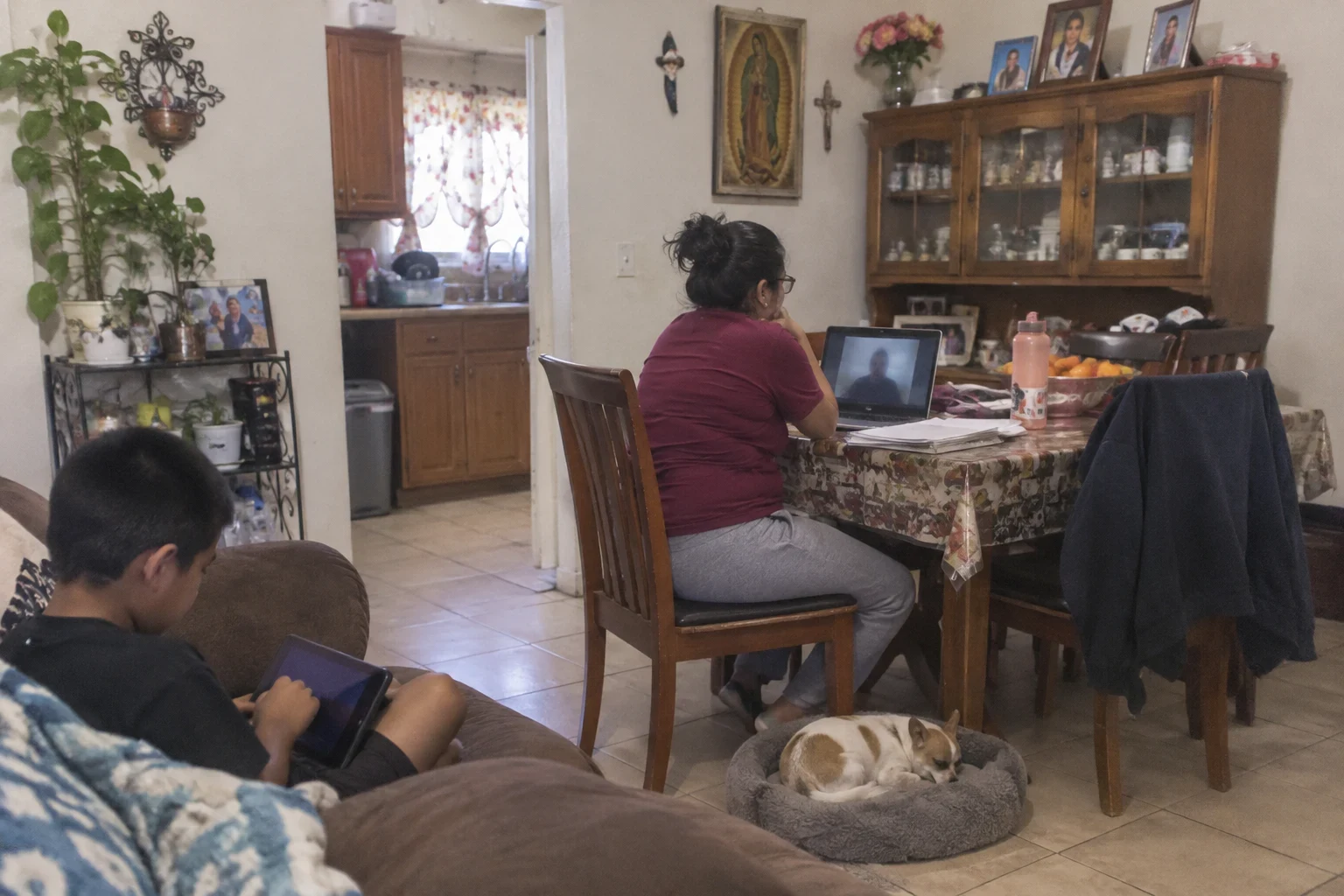
What Life Insurance Pico Rivera Is
Life Insurance Pico Rivera is a free service that connects you with a licensed life insurance agent in California. It is neither an insurance company nor an agent, and no policy is sold, priced or issued by us.
What we do is lay the groundwork: what each kind of policy is meant for, what tends to move the price and what an application asks of you. Once your answers are sent, the conversation about your own coverage runs between you and the agent, and any decision to buy is yours alone.
How Getting Coverage Usually Goes
Most life insurance applications follow a familiar order. Here is what happens at each stage, so you know what's coming.
- 1
Answer a few short questions
It takes about two minutes. You tell us your state, roughly how much coverage you're thinking about, when you were born and who you would name to receive the money.
- 2
Talk your options through
The agent who contacts you goes over the kinds and amounts that fit what you shared. Ask about any word that's unclear, and take the time you need before going further.
- 3
Apply for the policy
An application usually includes health questions, and sometimes a medical exam. Some policies skip the exam entirely; in exchange they tend to cost more or cover less.
- 4
The insurance company decides
The insurer reviews your application and decides on approval, coverage and price. If it says yes, the policy arrives in writing, and it is worth reading closely with your beneficiary details at hand.
What Moves the Price of a Policy
The same coverage amount can carry a very different premium from one applicant to the next. That gap comes from a short list of details insurers look at, some about you and some about the policy. Once you know the list, any option you're shown is easier to make sense of.
Every policy's price depends on your age, health, the amount and the type, and the insurance company sets it. For that reason no figures appear here.
- Your age
- Age is one of the first things an insurer looks at. Identical coverage is generally priced differently at different ages, so the timing of your application plays a part.
- Your health
- How you answer the health questions, plus exam results when an exam is required, feeds into the price. Ongoing conditions can raise it.
- Tobacco use
- You'll be asked about it plainly. Your answer is one of the details that makes the same policy cost more for one person than another.
- The coverage amount
- A larger payout means the policy promises more, and the price rises with it. Plenty of people pick the amount first and then see what fits their monthly budget.
- Length of the term
- For term life, the number of years counts. A longer term covers more years, and the price takes that into account.
- The kind of policy
- At the same amount, whole life usually costs more than term because it lasts a lifetime and builds cash value. Final expense policies are designed around smaller amounts.
How We Make Life Insurance Easier to Read
Life insurance has a vocabulary of its own, and options are hard to compare while the words still feel foreign. We begin with what things mean, and you choose when to go further.
Words defined as you go
Premium, beneficiary, term, cash value. Each gets a plain meaning the first time it shows up, here and on the policy pages, so no sentence leaves you guessing.
A few answers, entered once
You share the basics a single time. The conversation that follows starts from what you wrote, so you never have to explain your family all over again.
The choice stays with you
We don't push you toward a policy or rank one kind over another. Instead we lay out what people commonly weigh, like how long the need will last and what the premium might look like years from now. The decision is yours, made with the agent you speak with.
Nothing to buy to get started
There's no obligation to buy. Read every page, talk it over with the people at home, and send your answers only when you want to see options.
Serving Pico Rivera and Neighboring Towns
We work with people in Pico Rivera and in Montebello, Downey, Whittier, Norwalk, Bell Gardens, East Los Angeles, South Whittier, West Whittier-Los Nietos, Monterey Park and Rosemead. The explanations on every page are written for all of them alike, and the questions you answer are identical too. Your town never changes the steps you take.
- Pico Rivera
- West Whittier-Los Nietos
- East Los Angeles
- Downey
- Norwalk
- Whittier
- Montebello
- Monterey Park
- South Whittier
- Rosemead
- Bell Gardens
What you share is passed to an agent who works in your area, so the follow-up comes from someone who knows where you live.
Questions People Ask First
Something not covered here? Ask us
What is the difference between term and whole life insurance?
Term life covers a set number of years and pays out only if the insured person dies during that time. Whole life is built to last for life and builds cash value, which is a large part of why it usually costs more for the same amount. People often match term to a need with an end date, such as a mortgage, and look at whole life for needs that last.
How much coverage do people usually look at?
A common rule of thumb is several years of income plus whatever is owed, such as a mortgage. Use it as a starting point for thinking, not as advice for your situation. As a worked example with Census figures for the town: the median household income in Pico Rivera is $86,956, so that rule of thumb would begin at several times that amount, plus debts. The median home value is $621,400 and 70% of homes are lived in by their owner, so a mortgage balance often belongs in the total. Your own figures, and what you want the money to do, count for more than any example.
Why do people buy life insurance?
The most common reasons are replacing income a family relies on, paying off a mortgage and covering children's costs as they grow up. Some people want funeral costs handled so nobody has to scramble, and others want to leave money to family. Knowing your own reason makes the kind of policy easier to choose.
Who should I name as beneficiary?
Your beneficiary is the person or people who receive the payout. Many choose a spouse, a partner or their children, and some split it among several people with a set share each. Most policies let you update the name later, which makes sense after a marriage, a divorce or a new child. The agent who contacts you can show how naming works on the policy you choose.
Will my family owe income tax on the payout?
Under federal law, money paid to a named beneficiary is generally not treated as taxable income. Each family's circumstances differ, so check with a tax adviser about your own case before counting on it.
Can I change my mind after the policy starts?
Yes, within limits. Policies include a free-look period of at least 10 days during which you can cancel and get a refund. The exact length is stated in the policy, so find it when yours arrives and use that window to read every page.
What does cash value mean?
Cash value is a feature of whole life policies where part of what you pay builds up inside the policy over time. How it works and what you can do with it vary from policy to policy, so the agent who contacts you can explain the details. It is one reason whole life usually costs more than term.
Does it cost anything to use Life Insurance Pico Rivera?
No, there's no charge for it. You answer a few questions through our short form, and if you later choose a policy, you pay the insurance company that issues it. Reading these pages and learning the terms costs you nothing.

Start With What You Want Covered
Think about who you'd want protected and for how long. When you have a rough idea, answer a few questions through our short form and look over your options at your own speed.